September Work(shop)®
Sept 28–29
2026

Creative Leadership
Retreat

Sonoma
CA
In partnership with Design Better
September 28–29, 2026 Sonoma, CA September Work(shop)® September 28–29, 2026 Sonoma, CA September Work(shop)® September 28–29, 2026 Sonoma, CA September Work(shop)® September 28–29, 2026 Sonoma, CA September Work(shop)® September 28–29, 2026 Sonoma, CA September Work(shop)® September 28–29, 2026 Sonoma, CA September Work(shop)® September 28–29, 2026 Sonoma, CA September Work(shop)® September 28–29, 2026 Sonoma, CA September Work(shop)®

Coalition building is a skill most creative leaders were never taught, and with the rapid change in our industry, it matters more than ever.

Dates

September
28–29, 2026

Location

Sonoma,
California

Theme

We're exploring coalition building. Design is often the easy part. Building the coalition, that's where it gets hard. We'll bring together voices across business, the arts, and politics to share how they think about coalition building: what it takes, what breaks it, and what makes it last.

Structure

We are bringing together a small group of people we genuinely admire, 40 leaders from across industries and disciplines, for two days of good conversation, good food, and the kind of thinking that's hard to do when you're in the middle of it all.

The Program

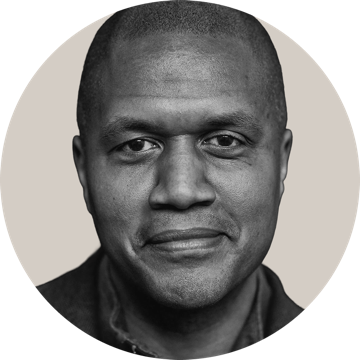
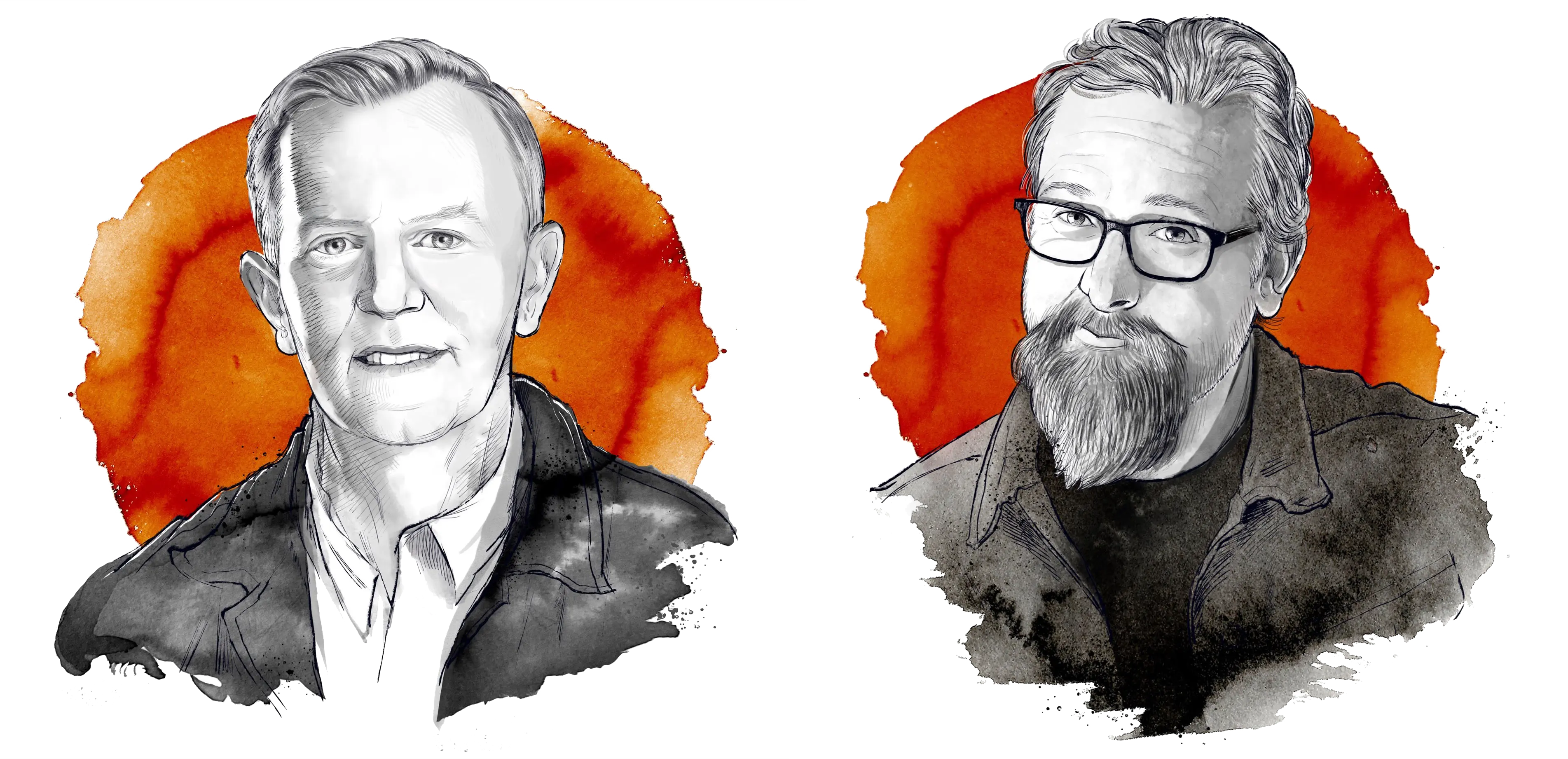
Paul Dichter

Paul Dichter

Television writer and producer, Stranger Things

Holding a creative team together for ten years

How does a room of strong creative voices build one sprawling thing without coming apart? Paul spent a decade in the Stranger Things writers' room, joining as a writer's assistant in season one and rising to co-executive producer by the finale, writing three of the series' most memorable episodes along the way. That room had every pressure yours has: real disagreement, changes in leadership, continuity that had to survive a fanbase reading every frame, and a studio asking for more. Paul will walk through how the room actually worked.

What you'll learn

How to run creative disagreement so it improves the work, and how to hand a project between leaders without losing the thread.
Lucy McRae

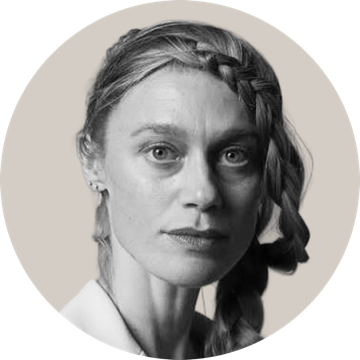
Lucy McRae

Body architect, Founder of an art-led speculative lab, TED Fellow, WEF Young Global Leader

Making an idea vivid enough that people join it

How do you get people to commit to something that doesn't exist yet? Lucy runs a practice that brings scientists, artists and designers together to prototype body futurism and post-nature futures. She led far-future research at Philips, advises brands and institutes, has worked in Hollywood writers' rooms including Blade Runner 2099, and co-directs a futures incubator at SCI-Arc. Getting a physicist, a fashion house and a film studio to pull in one direction requires a vision people can picture. Lucy will show how she builds one.

Monday evening: a screening of Lucy's film work.

What you'll learn

How to describe an idea that doesn't exist yet clearly enough that people from other disciplines want to build it with you.

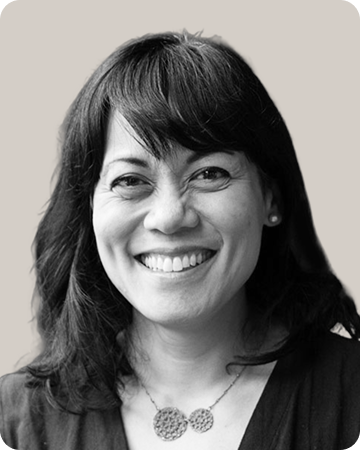
Sheryl Cababa
Kevin Bethune

Sheryl Cababa & Kevin Bethune

In conversation, Author of Closing the Loop; author of Reimagining Design and Nonlinear

Reading the organization as a system

Your idea didn't fail on merit. So what did it fail on? Sheryl built a practice on systems thinking and evidence-based design — robotic surgery, K–12 education redesign, work with the Gates Foundation, Microsoft, IHME and IKEA — and now designs for privacy at Google. Kevin has spent twenty-five years moving between engineering, business and design in equal measure, helping Nike, Google and PepsiCo find strategic innovation, and now leads ImagineCo's design studio. Together they'll take an organization apart: where the real leverage sits, which resistance comes from structure rather than personality, and how to lead people whose disciplines don't share your vocabulary.

What you'll learn

How to tell what's actually blocking your work, and who you need to convince.

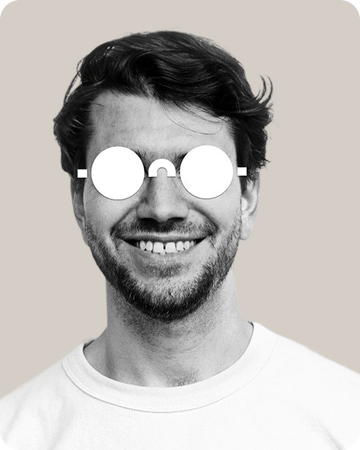
Andy Allen

Andy Allen

Founder, Not Boring Software

A clear position does the recruiting

What happens when the right people come looking for you? Andy builds software that makes ordinary tasks joyful — a weather app, a calculator, a habit tracker — while most software is engineered to extract attention. He's an entrepreneur doing work that lights him up and building a business for people who feel the same way. That's a position, and positions attract people. The community around his work is itself a coalition, and it shapes what he makes next.

What you'll learn

How stating what you stand for brings the right people to you, faster than convincing them one at a time.

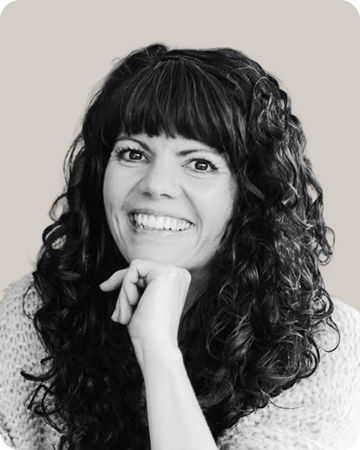
Molly Moon Neitzel

Molly Moon Neitzel

Founder, Molly Moon's Homemade Ice Cream, Entrepreneur and political activist

Building support outside your own walls

How do you build something around your values, not knowing how your community will respond? Molly built a beloved company in Seattle and used it to help change many state and local laws — like increasing the minimum wage, creating a sick leave law, a state paid family & medical leave program, and adding small business tax credits to the original Affordable Care Act — with authority over nobody who voted. She is openly political. That creates some controversy, yet also earns her the most loyal following in her market, and it's the reason the coalition existed at all. She'll go through how she did it: who she brought together, who surprised her, and what the consequences are of speaking your political truths when you are a business leader.

What you'll learn

How to build support among people who don't work for you, and what it costs to stand publicly for something.

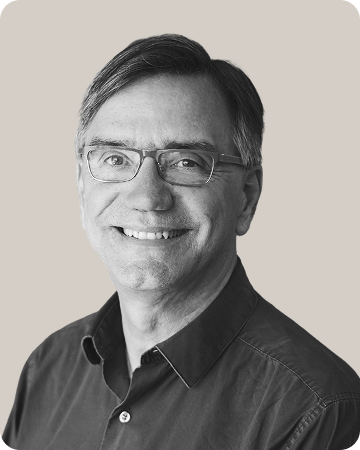
Bill Burnett

Bill Burnett

Co-founder of the Stanford Life Design Lab, Co-author of Designing Your Life, Designing Your Work Life, and How to Live a Meaningful Life

Creative work that stays meaningful

How do you bring real creative thinking to your work without losing the reason you're doing it? Designing Your Life grew into a global community organized around a shared method, which is to say a coalition. Bill has spent the years since studying what makes work worth doing, most recently in How to Live a Meaningful Life. He'll talk about craft and meaning together: what it takes to make something well when the tools are changing this fast and the pressure is to go faster instead.

What you'll learn

How to answer "why this work?" — the question that determines whether people stay with you through the hard part.

Andrew Evans

Andrew Evans

Magician, IDEO Alum, and founder of The Magic Patio

Earning trust in real time

What does it take for a room of strangers to agree to believe you? Andrew studied design at Stanford and became a magician, building a role nobody offered him whose entire output is delight. There are two things in that worth an evening. First, the mechanic: a magic show is the fastest coalition there is, a performer and a room of strangers deciding together to believe something impossible, built in ninety seconds, cold, every night. Second, Andrew himself, who is a working example of what Bill Burnett describes in the afternoon.

He performs after dinner on Tuesday. We're not going to explain this one further.

What you'll learn

How attention and trust get earned in front of people, in real time.

What you'll learn

01

How to lead strong opinions over time.

You'll learn how a room of professional creatives handles disagreement, leadership changes, and deadline pressure and still ships something coherent.

02

How to tell what's actually blocking your work.

Most creative work is tripped up by things like incentives, reporting lines, who gets consulted. Learn to see the systems that hinder and empower your work.

03

How to describe an idea people can believe in.

You'll learn how to make an unproven idea concrete enough that people from other disciplines want to build it with you.

04

How to build support among people who don't report to you.

Creative leadership should extend beyond the borders of your team.

05

How to express a clear point of view to reach great results.

A stated point of view recruits faster than persuasion but can come with costs. You'll learn how that works from people who've made the trade and built great businesses.

06

Connect with peers you can call afterward.

You'll connect with creative executives and leaders in roles like yours who will become a trusted resource long after the retreat when you need them most.

How the two days work

The Format

Every session is a conversation and you're in it. The speakers are there to start arguments, not deliver keynotes. Breakouts are small enough that you'll talk. There are a few surprises we're not describing.

Between Sessions

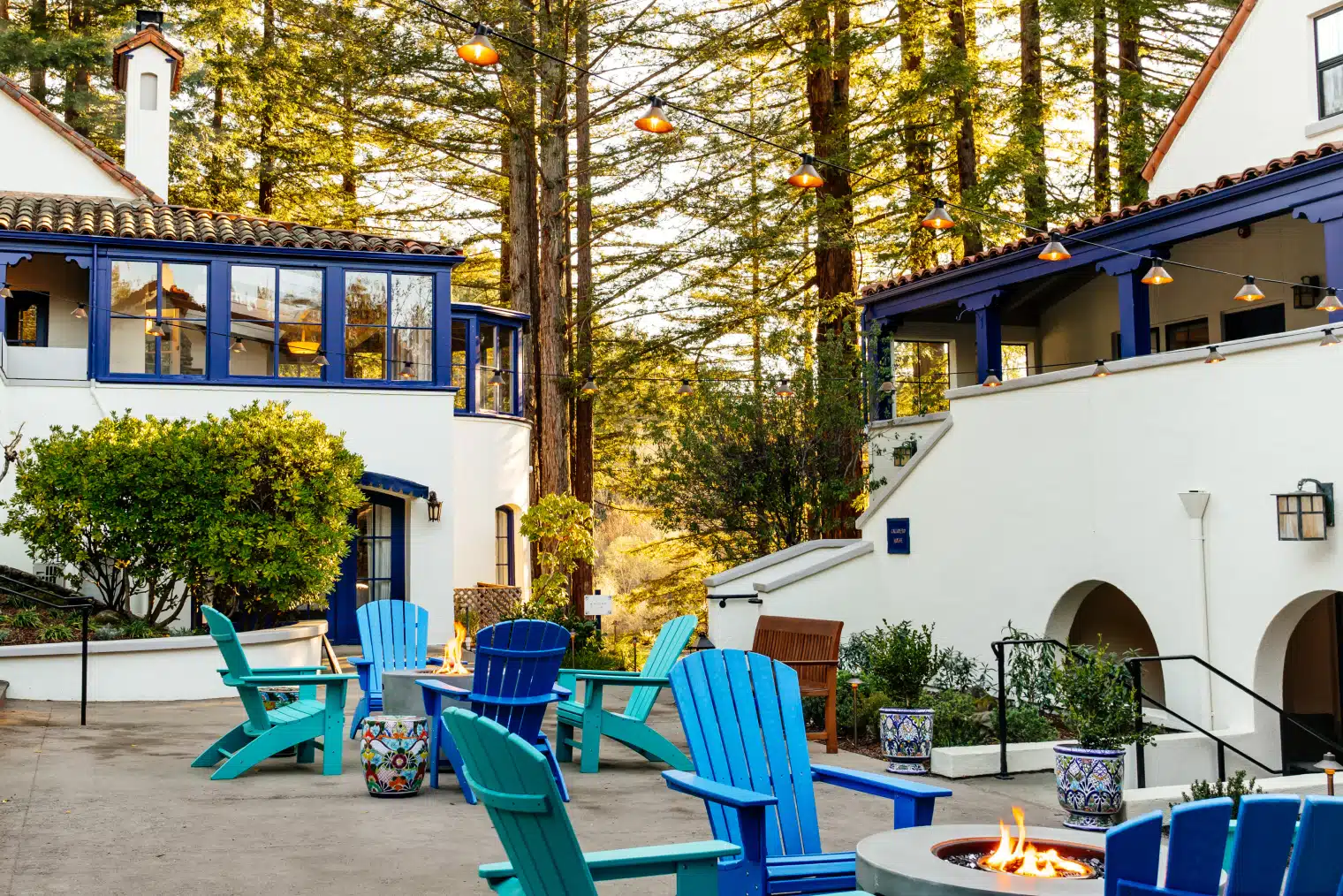
Real meals, a sit-down three-course dinner, a wine tasting, a fire, and s'mores. Sonoma in late September is at its best. We built the schedule so the thinking has room to continue afterward, because the useful part of a gathering like this often happens twenty minutes after a session ends.

Event Cohost

Design Better

Design Better is a podcast and creative leadership platform hosted by Aarron Walter and Eli Woolery. Through in-depth conversations with founders, designers, and creative leaders, the show explores the craft, culture, and decisions behind the work we admire.

Good Questions

People responsible for creative work getting made: heads of design, creative directors, VPs of product and design, studio principals, founders of small practices. If your main obstacle is organizational rather than technical, this was built for you.

A working session in a beautiful place. Two full days of programming, small enough that you'll speak in every session. The wine and the fire come after the work.

There are two ticket options. The first reserves a spot at the Stavrand hotel. The second lets you book your own accommodation nearby, a hotel or Airbnb of your choice. All tickets include meals, programming, a wine tasting, a sit-down three-course dinner, and all of the surprises we have planned.

No problem, here are a few nearby alternatives we recommend:
Dawn Ranch
Highlands Resort

Here's the . It covers what you'll bring back and what it costs.

All tickets are nonrefundable. Given the limited number of spots available, we're unable to offer refunds once a purchase is made.

Reach out to brandon@september.works and we'll get back to you.

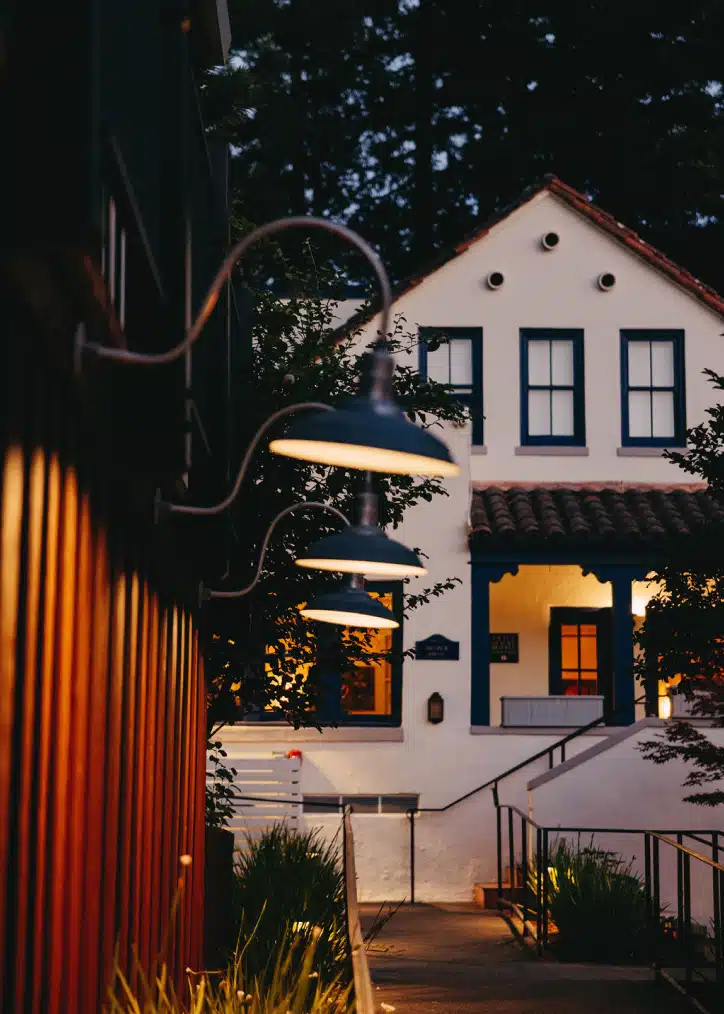
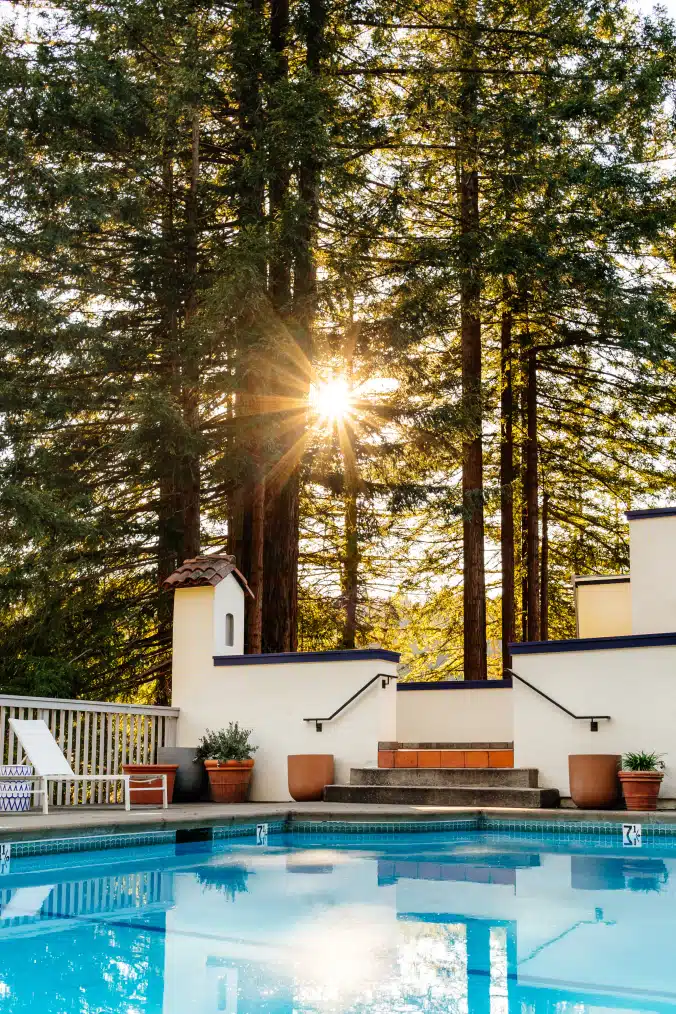
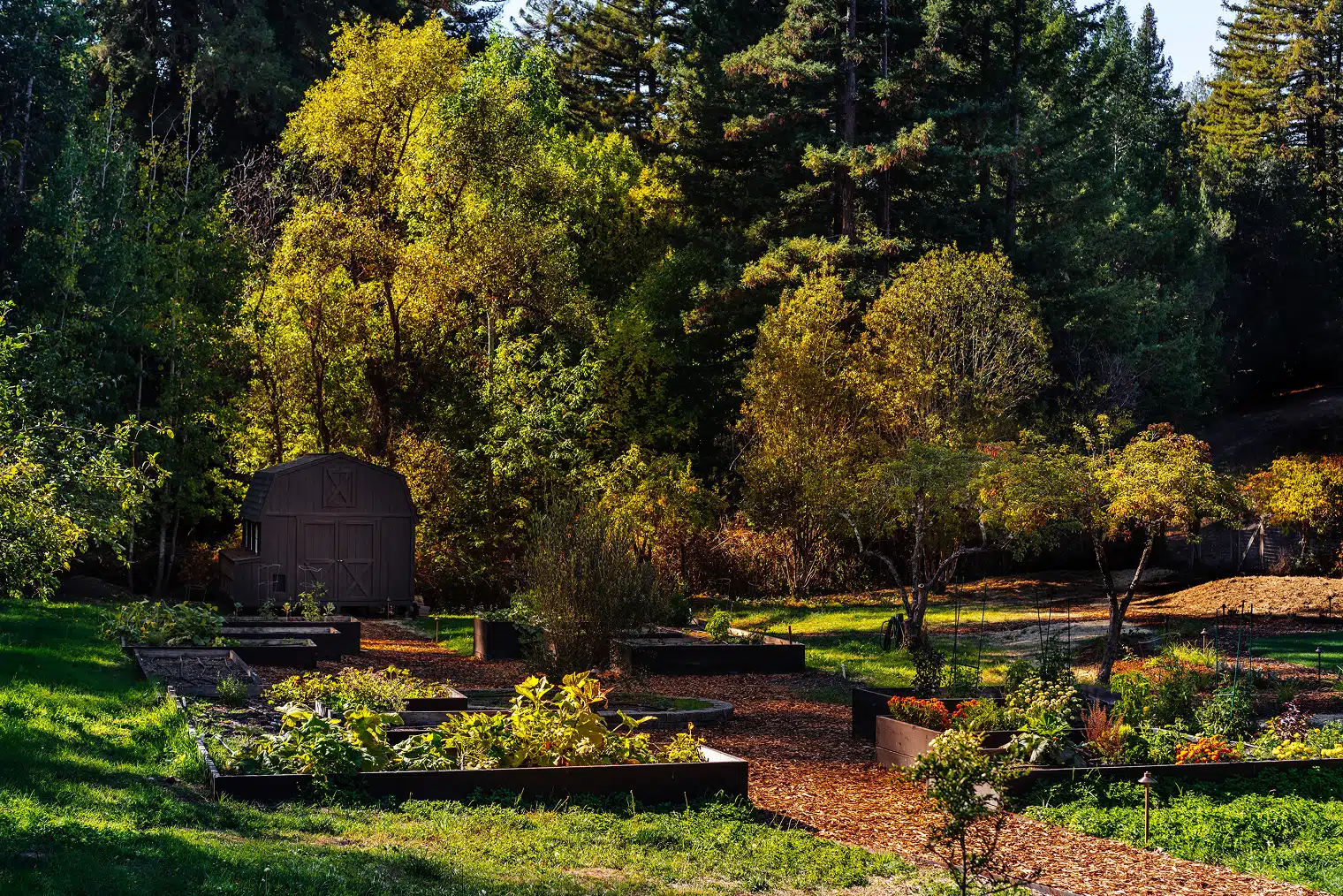
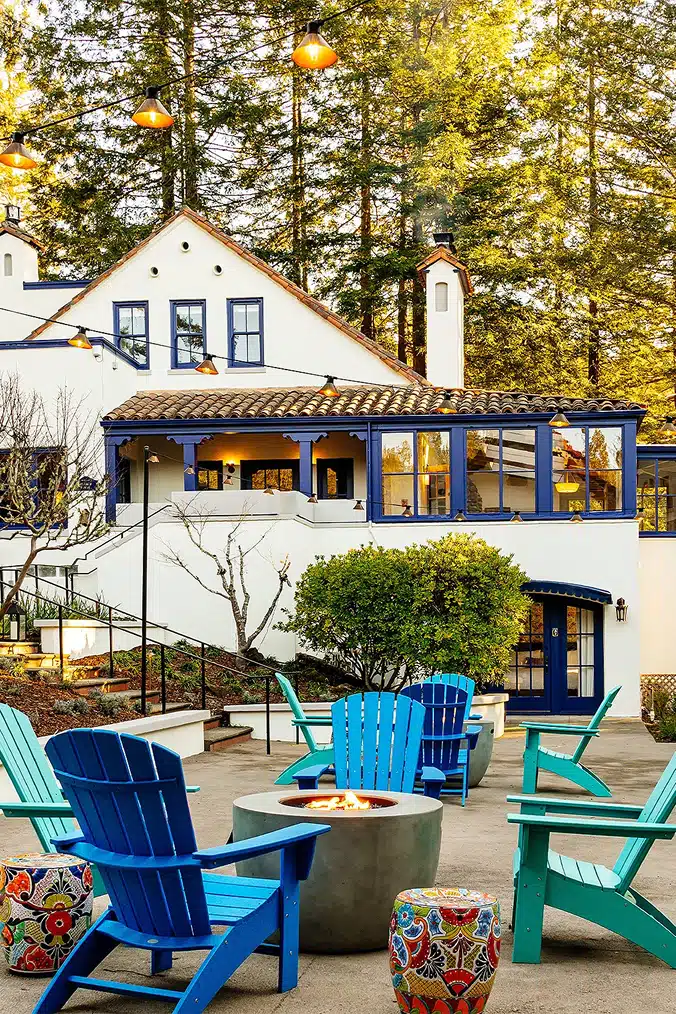
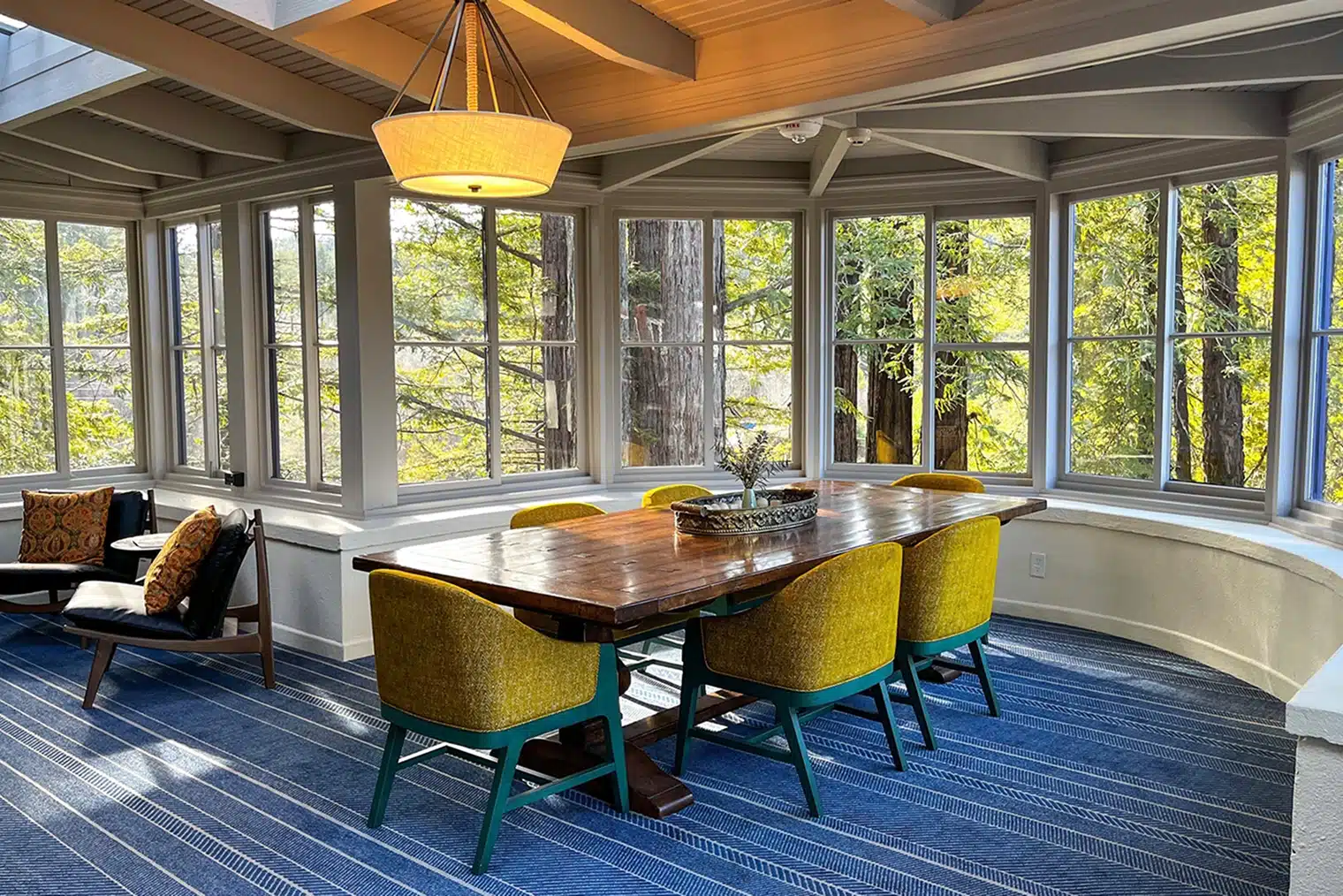
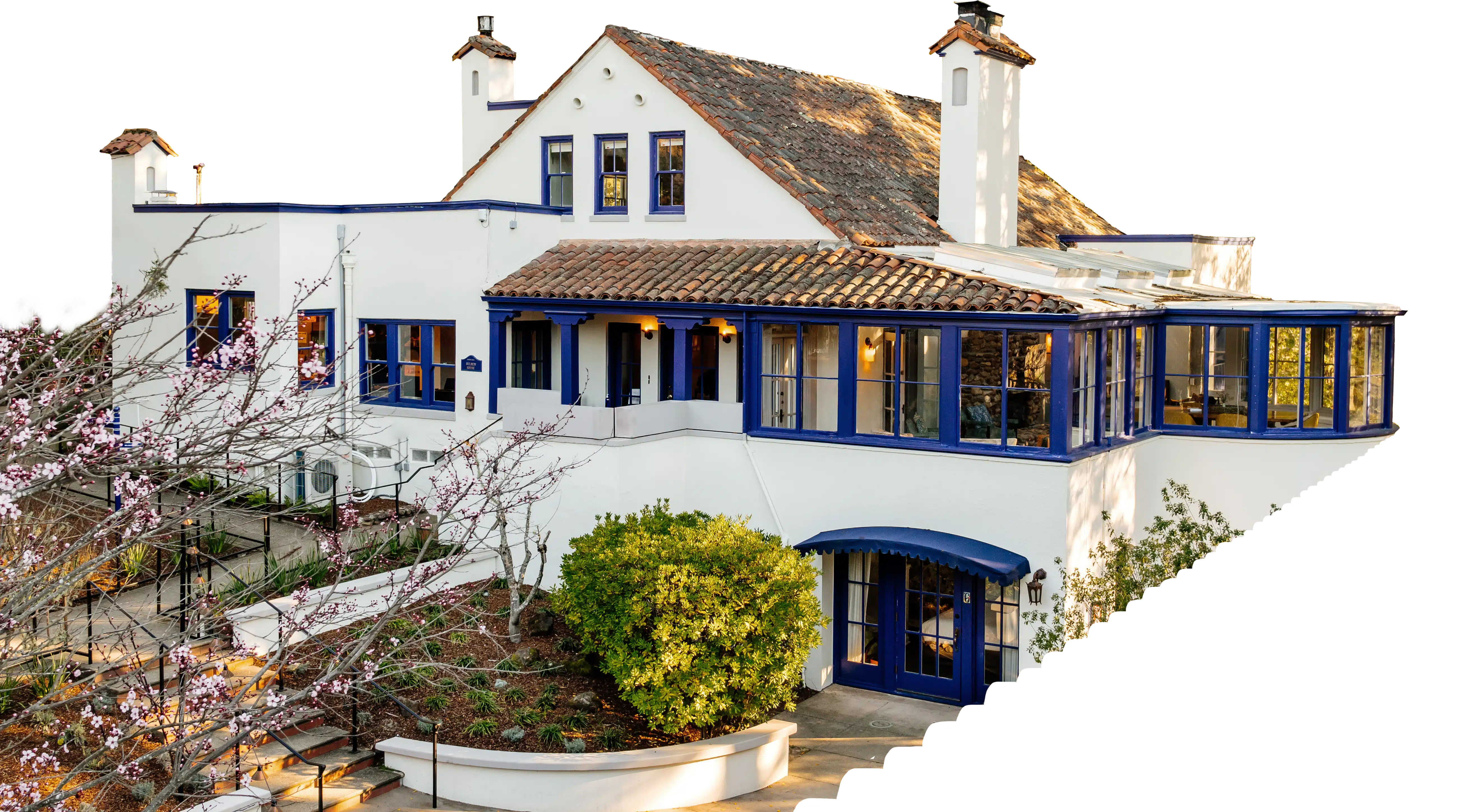
The Stavrand Hotel

Immerse yourself in the surroundings, and the people. Small-group sessions and built-in community time create the conditions for real connections and the kind of idea exchange that only in person can do.

We miss seeing you in person. This is our excuse to fix that and a chance to bring design leaders together to think deeply about topics that are critical to evolving and building out craft.